


Red or Bloodshot Eyes: Causes and When to See a Doctor
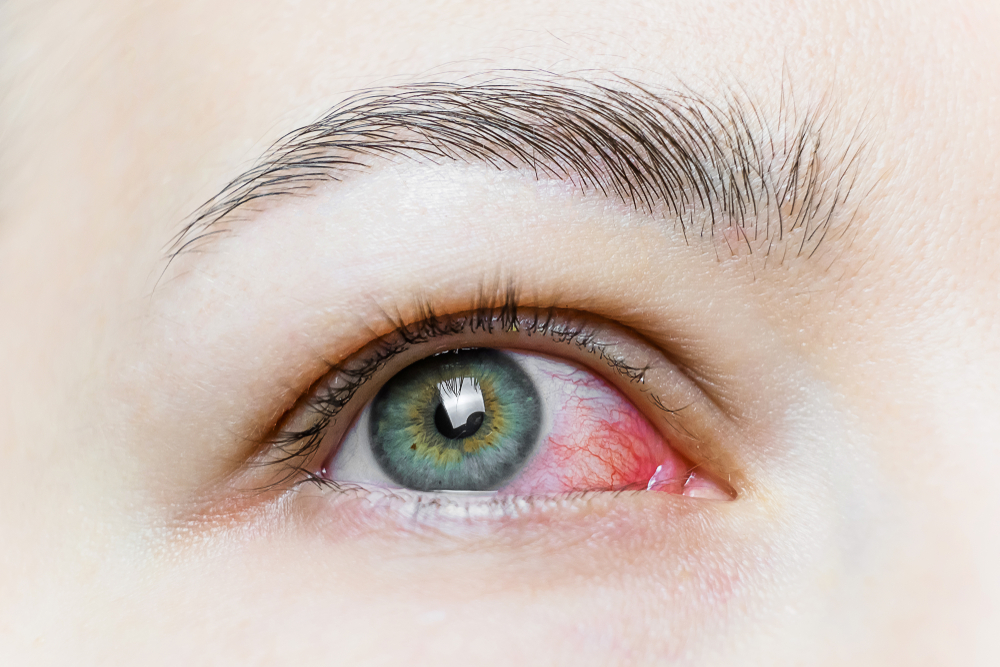
Red or bloodshot eyes are a common concern and can range from a minor irritation to a sign of a more serious eye condition. While occasional redness may resolve on its own, persistent or worsening symptoms should never be ignored. Understanding the possible causes of red eyes and knowing when to seek professional care can help protect your vision and overall eye health.
What Causes Red or Bloodshot Eyes?
Red eyes occur when the tiny blood vessels on the surface of the eye become irritated, inflamed, or enlarged. This increased blood flow makes the eyes appear pink or red.
Dry Eyes
When your eyes do not produce enough tears or the tear quality is poor, the surface of the eye can become irritated and inflamed. Dry eye is often associated with screen use, aging, certain medications, and environmental factors such as wind or dry air.
Allergies
Seasonal allergies or reactions to dust, pet dander, or pollen can trigger eye redness, itching, and watering. Rubbing the eyes can worsen the redness and irritation.
Eye Infections
Conditions such as conjunctivitis (pink eye) can cause redness along with discharge, irritation, or crusting of the eyelids. Infections may be viral, bacterial, or allergic and often require proper diagnosis to determine the correct treatment.
Eye Strain
Extended use of digital devices, reading for long periods, or poor lighting can lead to eye strain. This may result in red, tired-looking eyes accompanied by headaches or blurred vision.
Contact Lens Irritation
Wearing contact lenses for too long, improper cleaning, or sleeping in lenses not designed for overnight use can irritate the eyes and lead to redness or discomfort.
More Serious Eye Conditions
In some cases, red eyes may signal more serious issues such as uveitis, keratitis, or glaucoma. These conditions often present with additional symptoms and require prompt medical attention.
When Should You See an Eye Doctor?
While mild redness may improve with rest or lubrication, certain symptoms indicate the need for professional evaluation. You should schedule an eye exam if you experience:
Eye pain or pressure
Sudden vision changes or blurred vision
Sensitivity to light
Thick discharge or pus
Redness that does not improve after a few days
Red eyes following an eye injury or chemical exposure
Redness accompanied by nausea or severe headache
Prompt diagnosis is especially important if redness is recurrent or affects only one eye.
How Are Red Eyes Treated?
Treatment depends on the underlying cause. Your eye doctor may recommend lubricating eye drops, allergy management, prescription medications, or lifestyle adjustments. For infections or inflammatory conditions, targeted treatment can help prevent complications and restore comfort more quickly.
Schedule an Eye Exam at Eagle Eye Vision Center
Red or bloodshot eyes may seem minor, but they can sometimes point to underlying eye health concerns that should not be ignored. Paying attention to accompanying symptoms and seeking timely care can help preserve your vision and prevent more serious problems.
If you are experiencing red or bloodshot eyes or have concerns about your eye health, Eagle Eye Vision Center is here to help. Visit our office in Stafford, Virginia, or call (540) 720-0407 to book an appointment today.


Contact Information
Phone
Fax
(540) 720-9047


Office Hours
| Monday | 9:00am - 5:00pm |
| Tuesday | 11:00am - 6:00pm |
| Wednesday | 9:00am - 5:00pm |
| Thursday | 11:00am - 6:00pm |
| Friday | 9:00am - 5:00pm |
| Saturday | Closed |
| Sunday | Closed |
Closed daily from 12:00 - 12:45 for lunch